
5 Myths About Vegan Diets for Cats—Debunked!

5 Myths About Vegan Diets for Cats—Debunked!
When it comes to feeding cats, most people assume meat is non-negotiable. While cats are obligate carnivores, advancements in nutritional science have made it possible to meet their needs without meat. Still, misconceptions about vegan cat food abound. Let’s tackle the five biggest myths about vegan diets for cats—and debunk them once and for all!


1Myth: Cats Can’t Survive Without Meat
The Truth: Cats need nutrients, not meat itself.
Cats require certain nutrients, like taurine, vitamin A, and arachidonic acid, which are often found in animal tissues. But they don’t need meat to get these nutrients. Today, synthetic and plant-based sources can provide these essentials:
Taurine
- can be synthesized and added to vegan cat foods.
Vitamin A
- can be derived from plant-based precursors.
Arachidonic acid
- is now available through fermentation processes
With proper formulation, vegan cat food delivers all the nutrients cats need to thrive.

2Myth: Vegan Diets Aren’t Complete or Balanced
The Truth: Properly formulated vegan cat foods meet all nutritional standards.
Reputable vegan cat food brands adhere to guidelines set by organizations like the Association of American Feed Control Officials (AAFCO). These foods are carefully crafted and tested to ensure they are complete and balanced. Look for brands that conduct feeding trials to guarantee that their products support feline health over the long term.
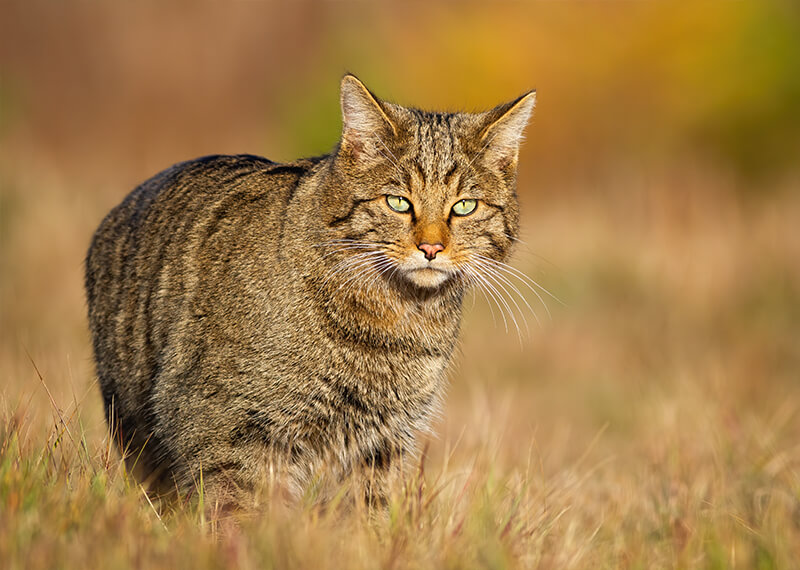
3Myth: Cats Won’t Eat Vegan Food
The Truth: Vegan diets can be palatable and satisfying.
Cats can be picky eaters, but that doesn’t mean they won’t enjoy vegan food. High-quality vegan cat foods use flavor-enhancing ingredients like yeast and natural plant oils to mimic the taste of traditional diets. Additionally, studies show that cats fed plant-based diets are just as eager to eat as those on meat-based foods.
4Myth:Vegan Cat Food Lacks Protein
The Truth: Plant-based protein is highly digestible and bioavailable.
Cats require protein to maintain muscle mass, energy, and overall health, but the source of that protein doesn’t have to be meat. Ingredients like soy, peas, and yeast provide complete proteins that meet all of a cat’s amino acid needs. In fact, some vegan protein sources, like yeast, are even more digestible than the low-quality animal byproducts often found in traditional cat foods.
5Myth: A Vegan Diet Is Harmful to Cats’ Health
The Truth: Vegan diets can support long-term health when done right.
Emerging research suggests that vegan diets may have health benefits for cats, including reduced allergies, better digestion, and fewer urinary issues. By eliminating common allergens like beef and fish, vegan diets can also help cats with food sensitivities. Properly formulated vegan diets provide all the essential nutrients cats need for a long, healthy life.
Conclusion
The idea that cats can’t thrive on a vegan diet is outdated. Thanks to advances in pet nutrition, vegan cat foods are scientifically formulated to meet all their dietary needs. By addressing common myths, you can feel confident exploring plant-based options for your feline companion.
Considering a switch? Consult your veterinarian and choose AAFCO-compliant vegan cat food to ensure your cat’s health and happiness.
The Consumer compass newsletter
Stay ahead of the trends and never miss a great find-join The Consumer Compass community today for exclusive access to top products.


