
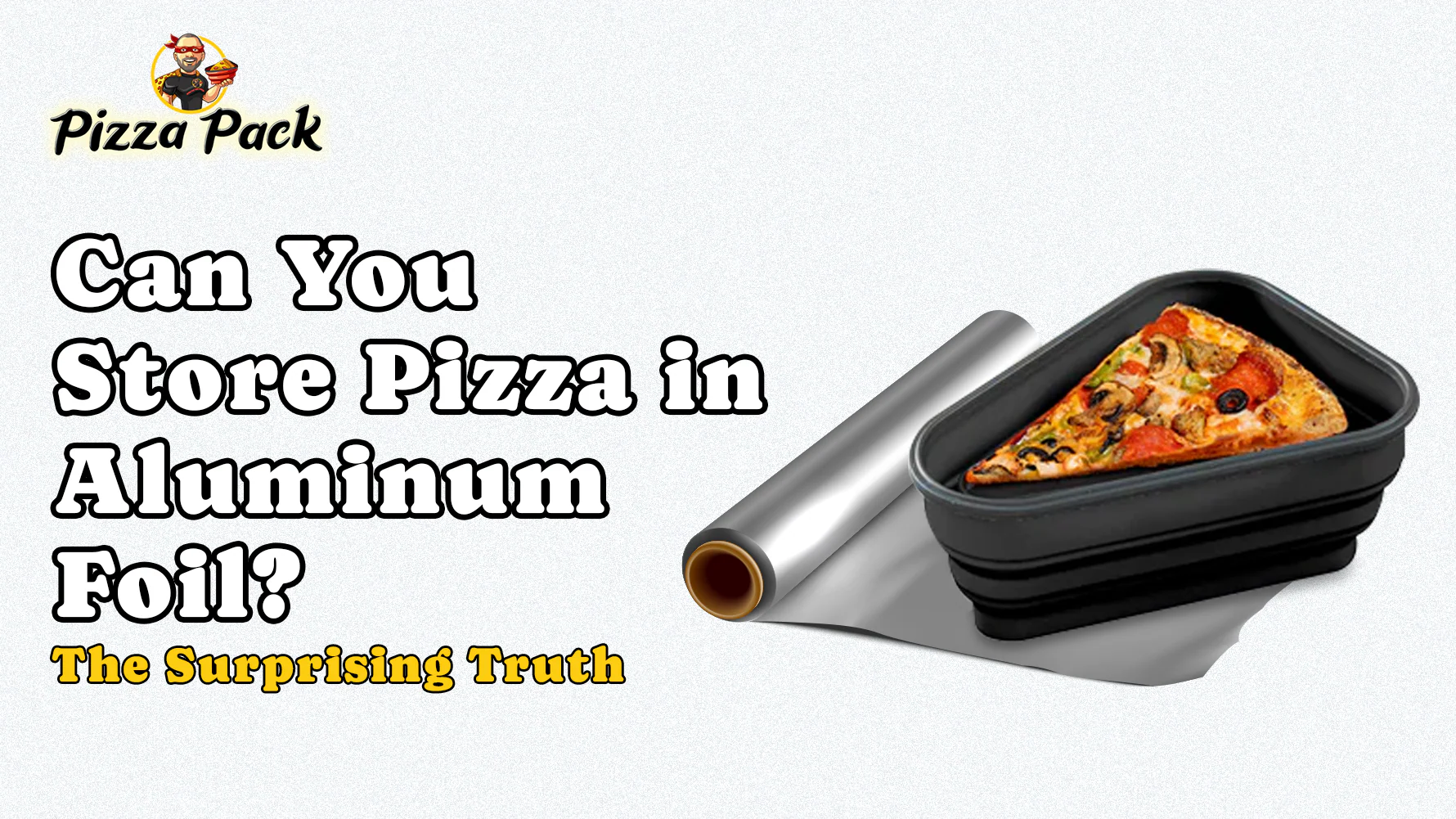
Can You Store Pizza in Aluminum Foil? The Surprising Truth
Summary
- Aluminum foil is not airtight and can allow bacteria to grow on leftover pizza
- Acidic sauces and salty toppings can react with aluminum foil and cause aluminum to leach into food.
- Aluminum foil storage often leads to soggy crusts, dried cheese, and loss of flavor.
- Airtight containers keep pizza fresher, safer, and better tasting for longer.
- Aluminum foil works well for reheating pizza, but not for long-term storage.
Ever wrap leftover pizza in foil and put it straight in the fridge? It’s convenient, but not ideal. Aluminum foil doesn’t seal out air, can react with acidic toppings, and often leaves you with a soggy crust.
So, can you store pizza in foil? Yes. Should you? Not really. Here’s why and what to use instead.
Why Aluminum Foil is a Problem for Pizza Storage
Aluminum foil can mess up your food safety and taste, and its downsides are too great to overlook.
It’s Not Airtight: A Welcome Mat for Bacteria
Foil does not form a tight seal, unlike sealed containers. This allows oxygen to get in, creating a perfect space for bacteria to grow.
According to the FDA’s Bad Bug Book, common foodborne bacteria like Staphylococcus aureus and Bacillus cereus can thrive in food that isn’t properly cooled and sealed. Because foil leaves gaps, it doesn’t provide the barrier needed to prevent cross-contamination from pathogens like Listeria, which can actually grow at refrigerator temperatures.
Chemical Reactions with Sauce and Toppings
Pizza’s tomato sauce is acidic. Its cheese and toppings are salty. Both can react with aluminum.
Research published in the Journal of Food Science & Nutrition shows that when acidic and salty foods come into contact with aluminum foil, a chemical reaction can occur. This reaction causes aluminum to leach into the food.
While short-term contact may not pose an immediate health risk, food safety researchers recommend avoiding foil for highly acidic or salty leftovers. This helps reduce unnecessary exposure to aluminum over time.
The Quality Compromise: Soggy Crust and Lost Freshness
Since foil doesn’t seal out air or lock in moisture, pizza quickly loses its texture and taste.
Moisture from the toppings can get trapped and steam the crust, while dry fridge air pulls flavor from the cheese and sauce. The result is a limp crust and a flat, unappetizing bite.
Best Practices for Storing Pizza Safely
Following a few proven leftover pizza hacks can help you avoid common storage mistakes and keep slices fresh longer.
Short Term: Keep It Fresh in the Fridge
If you plan to eat your pizza within three to four days, store it in the fridge but skip the foil.
Do this instead:
-
Let the pizza cool to room temperature.
-
Place slices in an airtight container.
-
Layer wax paper between stacked slices to prevent sticking.
This keeps air out, flavor in, and your crust from turning rubbery.
Long Term: Freeze It the Right Way
Want to store it longer? Freezing works well if done right.
Follow this method:
- Wrap each slice in plastic wrap.
- Place wrapped slices in a freezer-safe bag or airtight container.
- Label with the date so you know when to use it.
Pizza keeps well for up to two months. Reheat directly from frozen or thaw in the fridge overnight, using the best reheating methods for better texture.
Conclusion
Aluminum foil seems convenient, but it is not a reliable way to store pizza. It does not seal tightly, which affects both safety and freshness. Over time, it can also interact with acidic and salty toppings, which is another reason it should not be the default option.
If you care about keeping your pizza tasting just as good the next day, reach for an airtight container instead. And if you want a container made for leftovers, Pizza Pack offers a reliable, reusable, and space-saving solution.
The bottom line is simple. Foil is fine for quick tasks, but pizza stays fresher and safer when it is stored the right way.
Frequently Asked Questions
1. Is it safe to store pizza in aluminum foil?
Storing pizza in aluminum foil is not ideal. Foil is not airtight, which allows air and bacteria to reach the food. Over time, this can affect both safety and freshness, especially when pizza contains acidic or salty toppings.
2. Why does aluminum foil cause pizza to become soggy?
Aluminum foil traps moisture from the toppings while still allowing air to circulate. This combination steams the crust and dries out the cheese, leading to a limp crust and loss of flavor.
3. Can aluminum foil react with pizza toppings?
Yes. Pizza often contains acidic tomato sauce and salty cheese or toppings. Research shows these ingredients can react with aluminum foil and cause small amounts of aluminum to leach into the food.
4. What is the best way to store leftover pizza in the fridge?
The best method is to let pizza cool to room temperature, then place slices in an airtight container. Properly stored pizza stays fresh for three to four days in the fridge.
5. When is aluminum foil useful for pizza?
Aluminum foil works well for reheating pizza in an oven when used loosely to help heat slices evenly. It is helpful during reheating, but it should not be used for long-term pizza storage.
The Consumer compass newsletter
Stay ahead of the trends and never miss a great find-join The Consumer Compass community today for exclusive access to top products.


